

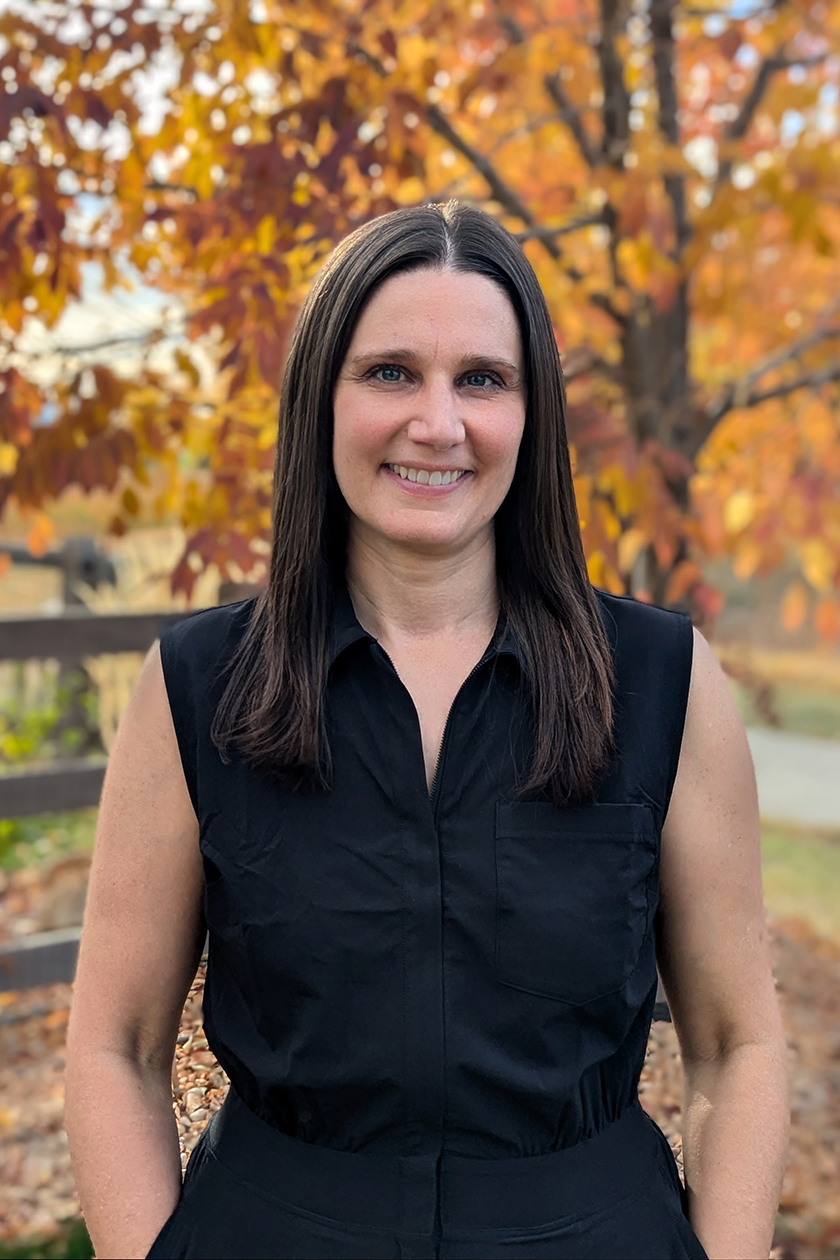
As we look forward to springtime and enter a season of new beginnings, I invite you to pause and ask yourself, “What am I actively doing to manage my stress?”
Stress is a normal fact of life. I think we spend most of our time wishing it away or waiting for it to end, but the truth is there’s always some level of stress that surrounds us. There are many different tools we can access that are valuable in managing stress like exercise, adequate sleep, taking a break, talking to a friend or counselor, or making more healthy food choices. I have found that these choices may, at times, feel inaccessible and are not always the right tool for the job. Enter the practice of meditation, something I thought was elusive and mysterious until about a year ago.
Meditation is simply a practice of contemplation and reflection. It can take many forms such as yoga, tai chi, mindfulness practices, breathwork, and contemplation practices. For me: this feels like taking an intentional pause where my physical being and my mental energy are not needed by anyone else. This is time that’s just for me. Without distractions, I can connect to the sensations in my body and my breath and quiet (but not silence) my mind.
In the book Theo of Golden spring is described as “an end with a future” representing new beginnings and the hope of possibilities. Last spring I was at my own “end with a future.” I had quit my job that was contributing to the highest level of stress I have experienced and was looking forward to new beginnings here at Hometown Family Health. I felt many different and new sensations in my body as I recovered from this large stressor. I wasn’t quite sure which tool would be right for me to use in that transition period but thankfully, I have really smart and caring people in my life that helped direct me toward starting a routine meditation practice. I knew from my training and education that meditation has many proven benefits but frankly could never figure out how to prioritize this in my life.
I had many excuses that sounded like these:
- “I won’t be any good at it, my mind is too busy, it’s never quiet or empty”
- “I don’t have time; there’s too many other things to get done”
- “It won’t t make a difference”
- “It has to be done as part of a religious practice”
- “It’s only used during a moment of active stress”
- “You have to meditate in a seated posture, and I don’t feel comfortable in that position for that long”
What I learned along the way included the following:
- 5 minutes do exist to meditate in the morning prior to doing anything else
- My brain is not empty during or after meditating, but it is quieter, softer, slower, more organized and one thought at a time
- It helps me respond with calmness throughout the day
- It feels like an easy button at times. I don’t always have enough mental energy to convince myself to exercise or move my body, but I do have enough energy to just be. I noticed I would get the same benefit of mental and physical energy reset from exercise without the physical effort of exercise
- I chose to give myself permission to meditate laying down as that is what felt most comfortable from my prior experience with yoga
- I could use these skills in 1-2 minute increments throughout my day as a touch point to bring my nervous system back to a lower stress state so that I ended the day feeling calmer
So, if you have ever or are currently experiencing symptoms like heart pounding, heart racing, fast breathing, headaches, muscle tension, chronic pain in any location, feelings of overwhelm, mental energy fatigue, or anxiety, I invite you to consider how could making an active stress management plan help you feel better? Is there space for meditation to be a part of that plan, to learn a new skill to increase the tools you have available to navigate the stressors of life?
There are many different types/techniques/forms that meditation can have. We will review these in future posts. If you are curious about getting started, check out this guided meditation video that is only 5 minutes long. 5 minute guided meditation link Give it a try: tell people you are unavailable, find a spot where you can be alone and close the door, turn your phone on silent and really pay attention and notice how you feel before and after your meditation work. The continued work is in making a routine practice of this and continuing to just notice, without judgment, what comes up in both your mind and your body. It’s your own little adventure to go on.
For more in-depth exploration you can check out some local professionals that are exceptional in this work or use a multitude of apps to explore on your own.
- Biofeedback therapist Jen Strating https://www.fortcollinsbiofeedback.com/
- Jen is doing a Self Compassion group workshop over zoom in March. If you’d like to join, click here to register.
- Integrative medicine doctor, Dr. Shelley Moore
- Dr. Moore is doing a 4 week class in April that is called “Intro to Mindfulness Meditation”. If you are interested in registering, you can contact her through email at: ShelleyWMoore@gmail.com
- Integrative medicine doctor, Dr. Lynn Bellmore
- Dr. Bellmore does one on one work with patients to help them manage their chronic physical symptoms by teaching you mind-body connection skills
- https://www.lynnbellmoremd.com/
- Apps you could use to explore on your own
- Peloton (you don’t have to buy their equipment to use their app, it is $15.99/month)
- Apple fitness ($9.99/month)
- Headspace (free and paid versions, $12.00/month)
- Calm (free and paid versions, $16.99/month)
- Insight timer (free to use, but doesn’t have as many guided options)
If you are willing to share a mindful moment or a stress management goal you can send your provider a message or bring in an index card with it written down or a photo if you’d like to share with others on our Mindful Moments board this year.
I’ll leave you with mine:
My photo is from Glacier National Park, last summer, on our campervan trip. The water was so ice cold it burned, the sun felt like a warm blanket on my skin, the beauty and largeness of the mountains embraced me as I just stood quietly on that rock and took a moment to just be. The best part of a mindful moment is you can create it again in your mind later and your body and brain experience the same positive response as if you were there again. Try it!
My current meditation practice looks like 5-10 minutes of guided meditation twice a day, most days, because nobody’s perfect.
My current goal is to add in a gratitude practice with my meditation. I’ll report back later this year on how it’s going and what I noticed. Please tell me about what you have been working on next time we see each other 😊

36 Responses
https://shorturl.fm/Zv1iS
https://shorturl.fm/4cHNt
https://shorturl.fm/PWvEA
The variety of games here is impressive. I spent a few hours exploring and everything just works perfectly. Great vibes over at bdjoya9best.
Best VIP treatment I have ever received on a platform. The perks are amazing and the payouts are lightning fast. 188cokvip is simply the best.
Great variety of games and the app doesn’t lag at all. I’ve managed to hit a few nice streaks here lately. Highly recommended for anyone in PH. 9ajilicasino
Your writing is so eloquent and engaging You have a gift for connecting with your readers and making us feel understood
Looking forward to your next post. Keep up the good work!
I appreciate the effort that goes into creating high-quality content, and this post was no exception. The insights and information were top-notch and made for a really engaging read. Keep up the great work!
Your blog is a great source of positivity and inspiration in a world filled with negativity Thank you for making a difference
I love how this blog celebrates diversity and inclusivity It’s a reminder that we are all unique and should embrace our differences
Finally found a site that doesn’t lag during peak hours. The game selection is top-notch and I had a great run yesterday. Highly recommend pklucky67 to everyone.
I just wanted to take a moment to express my gratitude for the great content you consistently produce. It’s informative, interesting, and always keeps me coming back for more!
Your posts are like a breath of fresh air I appreciate how you tackle difficult topics with grace and empathy
I appreciate how this blog promotes self-growth and personal development It’s important to continuously strive to become the best version of ourselves
Your positivity and optimism are contagious It’s evident that you genuinely care about your readers and their well-being
Your blog is always a highlight of my day
Your writing style is so engaging and easy to follow I find myself reading through each post without even realizing I’ve reached the end
This post came at just the right time for me Your words have provided me with much-needed motivation and inspiration Thank you
Your blog always leaves me feeling uplifted and inspired Thank you for consistently delivering high-quality content
Your blog always puts a smile on my face and makes me feel better about the world Thank you for being a source of light and positivity
Looking forward to your next post. Keep up the good work!
This post is jam-packed with valuable information and I appreciate how well-organized and easy to follow it is Great job!
Your writing style is so engaging and easy to follow I find myself reading through each post without even realizing I’ve reached the end
I’ve tried a few platforms recently, but this one is definitely a game changer. The interface is smooth and the payouts are surprisingly fast. Highly recommend ke88club for anyone looking for a reliable spot.
I’ve been looking for a reliable spot and this one really delivers. The interface is smooth and the payouts are fast. Definitely worth checking out clubpkrvip
I’ve tried a few platforms lately, but this one really stands out for its smooth interface. Definitely worth checking out if you want a hassle-free experience. Check it out at bdke999
Top notch service and very responsive pages. I appreciate the transparency and the fair play rules here. Big thanks to idarena39.
This site has a very chill vibe and the promotions are updated daily. It is a perfect way to unwind and try my luck at vnmh66.
I was struggling to find the official link but zuma78login made it so easy. Everything works perfectly on my mobile browser.
If you love slots you cannot miss this one. The hit rate seems much better here than on other platforms I have used. Give balislot88 a try.
Finally found a platform that doesn’t lag during peak hours. The customer support is helpful too. I’m sticking with pklucky53 for a long time.
The site is very responsive and the updates are frequent. It feels like they actually care about the user experience. Definitely check out br939bet46 if you want a reliable spot.
Just joined a few days ago and I am already loving the community and the rewards. It feels like a very welcoming place. Check out vn15uy88 today.
Finally a site that doesn’t lag during the big moments. The login process is a breeze and everything works as promised. Glad I found pklucky33login.
Love the local vibe of this site. It feels tailored for us and the customer support is actually helpful. Glad I found phauronplay.